Effortless Meal Planning: A Homemaker’s Guide to Nutritious and Frugal Family Meals
Good nutrition isn’t merely a matter of chance; it’s the result of intentional planning and dedicated effort. Preparing wholesome, scratch-cooked meals for your family can transform your kitchen into a hub of health and joy. As a Christian homemaker, I find immense satisfaction in serving nourishing and delicious meals that fuel both body and spirit. Strategic meal planning is the cornerstone of this practice, removing the stress from busy days and allowing for more precious moments with loved ones.
A well-stocked pantry and freezer are indispensable assets for any homemaker committed to efficient meal preparation. By keeping essential ingredients on hand, you empower yourself to whip up nutritious meals even on the busiest weeknights. My approach involves ensuring a consistent supply of key food categories, guided by a personal “ration chart” to maintain balance and variety.
- My freezer is always brimming with homemade whole-grain breads, ensuring we have healthy options readily available. This often includes favorites like sourdough sandwich bread, crusty artisan loaves, chewy bagels, and versatile tortillas, all crafted from freshly milled flour for superior flavor and nutrition.
- Vegetables, either conveniently canned or frozen, are a constant presence. These provide essential vitamins and fiber, acting as quick additions to any meal without the need for extensive fresh prep.
- Canned fruits, such as sweet peaches, savory pear pie filling, and wholesome applesauce, offer easy desserts, breakfast toppings, or snack options, ensuring fruit servings even when fresh produce isn’t optimal.
- Our refrigerator is diligently stocked with fresh dairy products, including versatile block cheese, rich sour cream, and nourishing raw milk, forming the basis for countless recipes and beverages.
- For proteins, I always have a supply of canned beans, which are excellent for quick meals and plant-based options, alongside staple meats stored for planned dinners.
These foundational ingredients provide a consistent source of energy, dietary fiber, essential vitamins, and crucial proteins, vital for sustaining an active family. Planning meals around foods your family genuinely enjoys not only minimizes waste but also fosters a positive eating environment. The strategic creation of weekly menus saves both valuable time and hard-earned money, significantly reducing last-minute grocery runs and takeout temptations.
Moreover, thoughtful meal planning contributes to a more serene and reflective Lord’s Day. Preparations can be handled in advance, allowing the family to worship God in church without the distraction of looming kitchen tasks. Returning home to a delicious, hot meal that has been slowly cooking, filling the house with inviting aromas, truly enhances the peace and sanctity of Sunday. I’ve seen other busy mothers creatively tackle Sunday meals; for example, freezing homemade meatballs to be baked with BBQ sauce and kept warm in a slow cooker, or simply tossing raw ingredients into a roasting pan for a slow-baked rice dish, ensuring a delightful meal with minimal fuss on the day itself.
Stay Organized: Your Recipe Management System
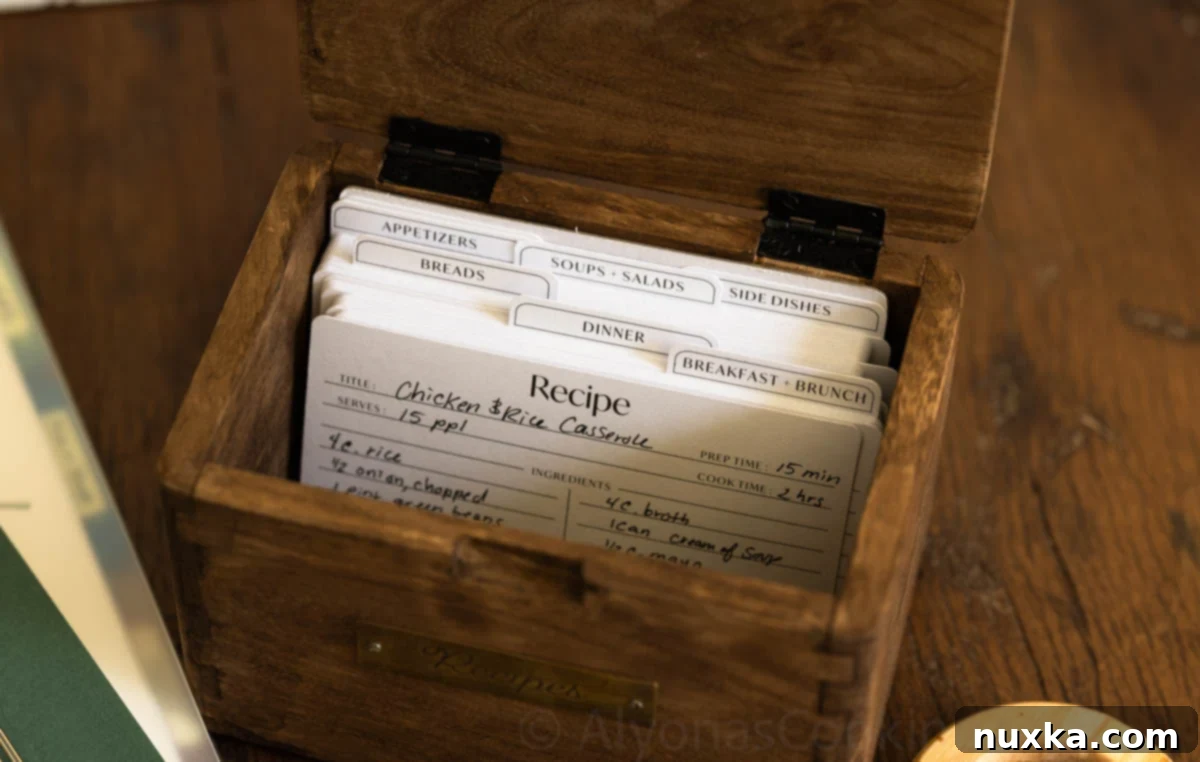
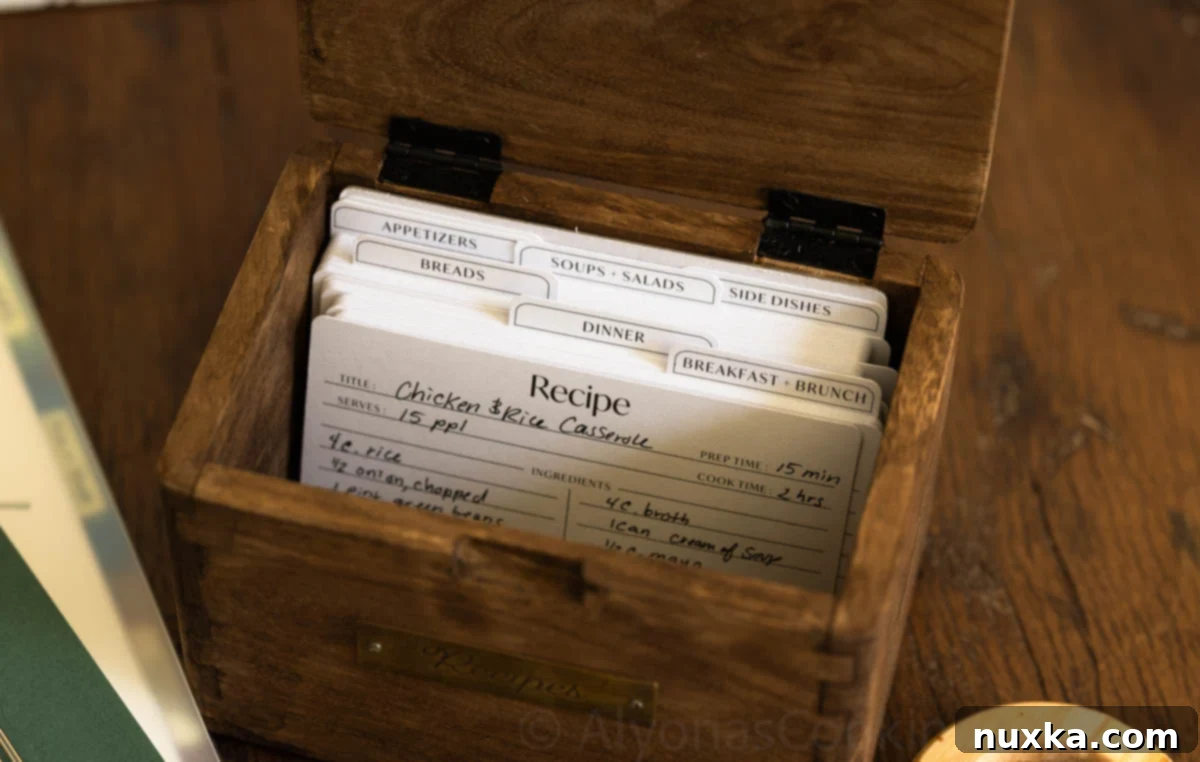
Maintaining an organized collection of your favorite recipes is paramount to efficient meal planning. Whether you prefer classic recipe cards tucked into a charming box or neatly printed sheets secured in a binder, having your culinary treasures accessible is key. To enhance organization, categorize your recipes methodically. Create dedicated sections for “one-pot meals,” “taco dishes,” “fish and soup recipes,” “meat-centric entrees,” “quick sandwiches,” “Sunday favorites,” your go-to “pizza dough” and “bread” recipes, and a tempting array of “desserts.”
Arranging these categories intuitively and populating them with your tried-and-true recipes ensures you can effortlessly locate any dish at a moment’s notice. This systematic approach eliminates frustrating searches and saves precious time when you’re ready to plan or cook.
A brilliant strategy for simplifying weekly planning is incorporating themed dinner nights. Concepts like “Pizza Night,” “Taco Tuesday,” or “Soup Day” remove the daily guesswork from meal preparation. My friend, for instance, dedicates every Saturday to pizza night. She shares that this consistent theme completely eliminates the common “what’s for dinner?” dilemma for that specific day, bringing a predictable rhythm to her week and fostering a fun family tradition.
Organizing your written recipes isn’t just about tidiness; it’s a profound time-saver and stress-reducer. A well-structured recipe collection prevents lost recipes, minimizes frantic last-minute decisions, and streamlines the process of assembling a cohesive weekly meal plan or menu.
What Planning a Week of Meals Truly Looks Like
Beyond my carefully organized recipe collection, I utilize a dedicated weekly planner to meticulously outline our family’s meals. Each day features designated sections for “Breakfast,” “Lunch,” and “Dinner.” For our family, this totals 21 meals per week. However, this doesn’t imply I’m cooking 21 unique meals from scratch! A significant portion of our lunches, and sometimes even a second breakfast, happily consists of delicious leftovers, a cornerstone of efficient homemaking.
I personally favor teacher planners for this task, as their structured layout provides ample space and multiple boxes to fill in detailed weekly meal planning information. This visual guide allows me to strategically assign meals, ensuring variety while also accounting for busy evenings and the efficient use of ingredients.
Make Shopping Lists Consistently: Your Blueprint for Frugal Shopping
The foundation of successful meal planning is a consistent and comprehensive shopping list. Before you even think about heading to the grocery store, conduct a thorough inventory of your current kitchen stock. This crucial step involves checking your basic pantry staples, refrigerator contents, and freezer items. Ideally, you should maintain an ongoing inventory of foods in your freezer, on your canning shelves, and within your pantry.
Prioritize planning meals around ingredients that need to be used first, preventing food waste and ensuring freshness. Once you’ve identified what you already have, note down any additional items required to complete your planned meals. This practice has been incredibly helpful in teaching me to utilize my ingredients wisely and avoid unnecessary purchases.
Therefore, a meticulous double-check of your pantry, refrigerator, and freezer is non-negotiable. You might be pleasantly surprised by hidden treasures, allowing you to avoid buying redundant items. It’s also the perfect opportunity to identify anything running low, so you can promptly add those essentials to your shopping list.
To foster consistency, always keep a shopping list and a pen readily accessible, ideally near your refrigerator. I find a magnetic notepad on the fridge to be invaluable; it allows me to jot down any random food item the moment I realize we’re running low. For added inspiration, I love finding Christian magnetic notepads from retailers like Faithview Books, GVS, and Goodsstores.com. These often feature uplifting Bible quotes or encouraging reminders, adding a touch of joy to an everyday chore!
If you’re unsure where to begin with meal planning or grocery shopping, I highly recommend getting my free master list of pantry staples. Keeping these essential items consistently stocked in your kitchen means you’re always just a few steps away from preparing a quick and satisfying meal. This comprehensive list includes everything from common spices and ingredients for homemade snacks to foundational staples like flour, wheat berries, rice, pasta, and the canned goods you never want to run out of.
Cultivate the habit of adding any food item that is getting low to your shopping list immediately. Then, diligently look out for sales at grocery stores near you. Buying in bulk when items are on promotion is an excellent strategy for saving money and ensuring your pantry remains well-provisioned for future meal planning.
Planning A Shopping Day: Maximizing Efficiency and Savings
Dedicate a specific block of time – perhaps a couple of hours – to meticulously plan and finalize your shopping list. For me, this often happens on a slower Sunday afternoon or early Monday morning, setting the tone for the week ahead. During this time, I review my inventory, consult my master pantry list, and draft a preliminary menu. If you’re starting from scratch, scanning online flyers for current sales and building your menu around those deals can be a highly economical approach.
Select one designated day each week for your primary grocery run. In the interim, continue to add necessary food items to your shopping list as they come to mind – keeping it prominently displayed on the fridge makes this effortless. It is particularly wise to cross-reference your master list of pantry staples and your binder of favorite recipes to create a truly comprehensive shopping plan.
For those residing a significant distance from the grocery store, a more extensive approach is beneficial: plan an entire month’s worth of menus. This reduces travel frequency and maximizes the efficiency of each trip. When creating such a long-term list, remember to include a few extra meals to accommodate unexpected company or last-minute changes.
To avoid crowds and ensure a more pleasant shopping experience, consider doing your grocery shopping early in the morning, often at the beginning of the week. A well-structured shopping plan will save you considerable time at the grocery store. While you might need to make a few extra stops for specialty items, having a clear list and strictly adhering to it will keep you focused and prevent aimless wandering. Upon returning home, prioritize putting away perishable foods first – anything destined for the freezer, or items for specific food storage buckets or baskets, should be handled immediately to maintain freshness and organization.
Avoid Impulse Buying: A Cornerstone of Frugal Living
One of the most significant advantages of having a solid meal plan is its ability to curb impulse shopping. When you stick to a predetermined list of simple, staple ingredients, it becomes far easier to track what you have in stock at home. Fancy, exotic ingredients or those you’re unaccustomed to cooking with are often forgotten, languishing in the back of the pantry until they eventually go to waste. Embracing simplicity in your ingredient choices contributes directly to a more organized kitchen and a more frugal budget.
This isn’t to say you should never try new foods or recipes. Experimentation is part of the culinary journey! However, establishing a consistent rhythm with simple ingredients and a straightforward routine ensures that meals always get made, regardless of how chaotic life becomes. Once this foundational rhythm is in place, you’ll naturally find the time and mental space to explore more special or elaborate recipes, and genuinely enjoy the process. Attempting new, complex recipes amidst chaos, however, can be frustrating and counterproductive. A valuable lesson I’ve learned many times over is to never try a brand-new recipe on guests; always stick to trusted family favorites to ensure a successful and stress-free dining experience.
Shopping without a list often leads to a chaotic experience. It’s easier to forget essential items, requiring extra trips, and it strongly encourages impulse buys. Just because something appears to be cheap doesn’t mean you should overbuy it, especially if it’s not on your list. It’s far better to strategically restock on ingredients you genuinely need by checking weekly sales and purchasing wisely. Accumulating cheaper food items that you don’t really need clutters your pantry, adds to mental burden, and ultimately leads to wasteful spending.
Summary: Embracing Simplicity and Consistency
Food undeniably plays a significant role in our daily lives, and the constant thought of planning the next meal can sometimes feel overwhelming. My personal mission is to be a good steward of the resources and blessings God has entrusted to me. What consistently helps me achieve this is adopting a philosophy of cooking simply and frugally. This approach makes meal planning not only easier but also highly sustainable, fostering consistency in providing for my family.
My heartfelt encouragement to every busy homemaker is to take a moment to slow down, truly embrace the precious moments that unfold each day, and plan your meals with wisdom and foresight. This intentionality allows you to genuinely enjoy life, savoring both the food and the company around your table. Once you’ve cultivated a collection of simple, standby recipes and developed a robust planning system, be consistent in its application, and you will undoubtedly reap abundant rewards.
Unlock My Family’s Favorite Meal Plans!
Growing children and teenagers require consistent and nutritious meals for optimal performance in school and daily life. Over the years, I’ve mastered the art of creating simple yet hearty breakfast casseroles that freeze or store exceptionally well, making busy mornings a breeze. While some of these cherished recipes, such as my Breakfast Amish Casserole, Overnight Sourdough Pancakes, and Overnight Sourdough Biscuits, are featured on the blog, many more remain exclusive family favorites.
These breakfast casseroles are not only delicious but also incredibly substantial, often stretching to provide two breakfasts for our family of eight, offering amazing value and convenience.
Our mid-day energy boost (lunch) typically consists of delicious leftovers from the previous night’s dinner. When leftovers aren’t available, I always turn to sandwiches – another excellent reason to ensure your freezer is well-stocked with homemade breads. Sandwiches are also an ideal solution for summer meals, requiring no stove or oven, keeping your kitchen cool.
If you’re eager to receive a week of my family’s favorite breakfast and dinner recipes, hand-typed and sent directly to your inbox, simply fill in your email address in the box below! These are the recipes that consistently deliver taste, nutrition, and efficiency in my own home.
Dinners are generally where I invest a bit more effort. To create a complete and satisfying dinner, it’s important to serve a balance of components: a protein (meat), a hot starch, and a hot vegetable or a fresh green salad. However, the true secret to weeknight ease lies in layering ingredients within a single casserole or a one-pot dish. This method simplifies preparation, often requiring only a quick steamed vegetable or a simple salad as an accompaniment. Don’t forget to consult my master list of pantry staples if you ever need guidance on what foods to always keep on hand to assemble these types of meals.
In essence, many of my weekly dinner recipes cleverly combine carbohydrates, meat (protein), and vegetables all-in-one, making weeknight meal preparation wonderfully straightforward and significantly reducing cleanup. This integrated approach ensures balanced nutrition without sacrificing precious time.
Do you have any simple, go-to meals you’d love to share? Please feel free to comment below – let’s connect and exchange ideas for making homemaking a joyful and delicious journey!
Here are a few examples of the types of recipes you’ll find:
- Breakfasts: Amish Breakfast Casserole, Baked Oatmeal, Sausage Egg Scramble with Toast, Easy Breakfast Casserole with Hash Browns, Portable Pizza Crust Breakfast Pizza, Buttermilk Pancakes.
- Dinners: Easy Fried Rice, Bulgogi Bowls, Seven-Layer Dinner, Chicken and Bacon Quesadillas, Chicken and Rice Casserole, Brown Rice Instant Pot Chipotle Bowls.