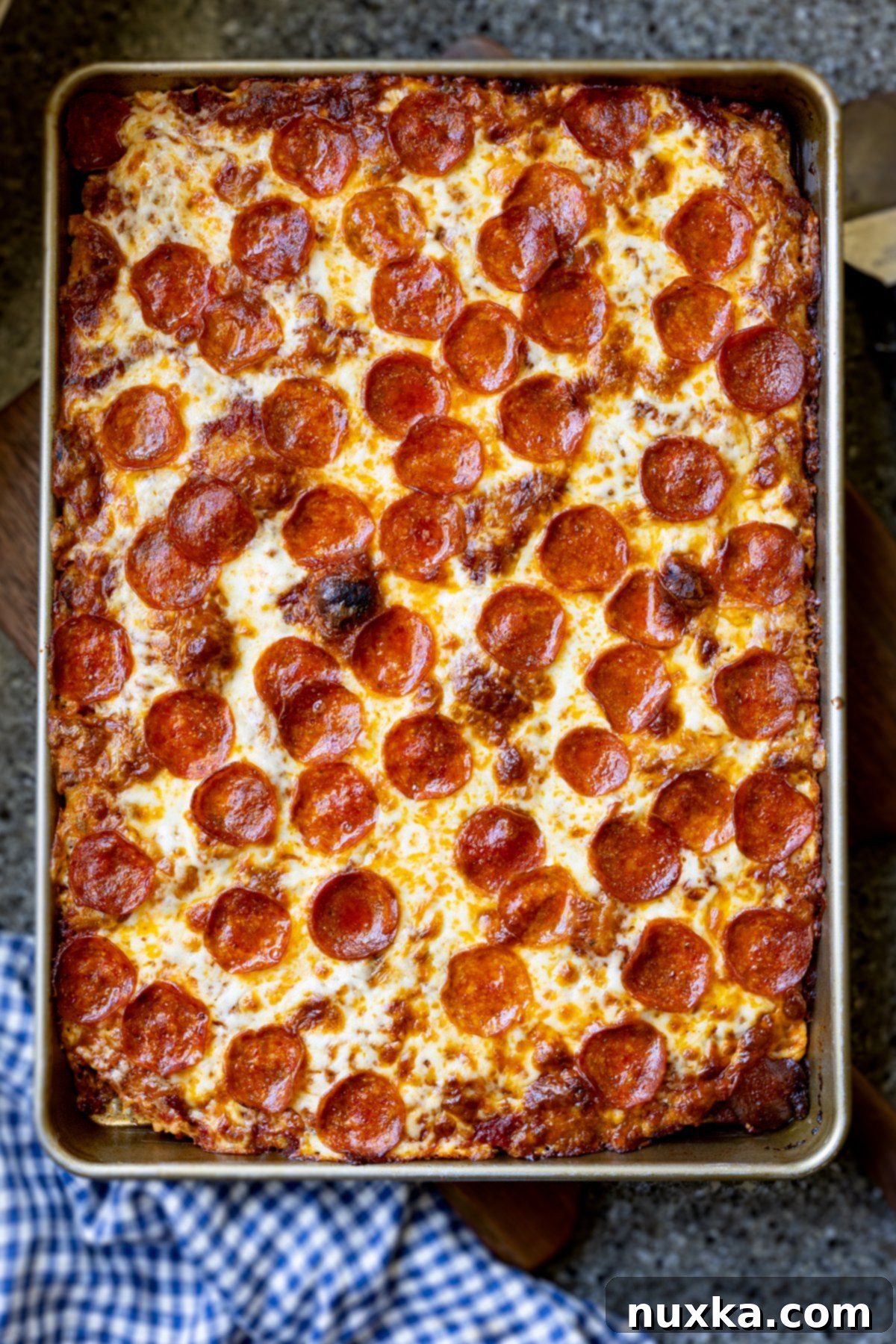
Ultimate Whole Wheat Sourdough Focaccia Pizza: Thick Crust Perfection & Gut-Healthy Goodness
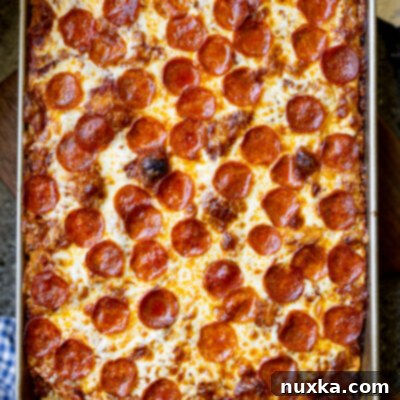
Prepare to revolutionize your pizza nights with this incredible Whole Wheat Sourdough Focaccia Pizza. Boasting a wonderfully thick crust and a satisfying rectangular shape, this pizza draws inspiration from the hearty Sicilian and Chicago-style deep-dish varieties. It’s more than just a meal; it’s a culinary experience that combines a delightfully soft interior with an irresistibly crispy exterior, guaranteed to become a cherished family favorite. What makes this recipe truly special is its simplicity and wholesomeness, utilizing 100% freshly ground wheat. You can bake it the very same day for instant gratification or refrigerate the dough to enjoy it whenever the craving strikes. Trust us, this isn’t just a pizza crust; it’s quite possibly the best you’ll ever make!
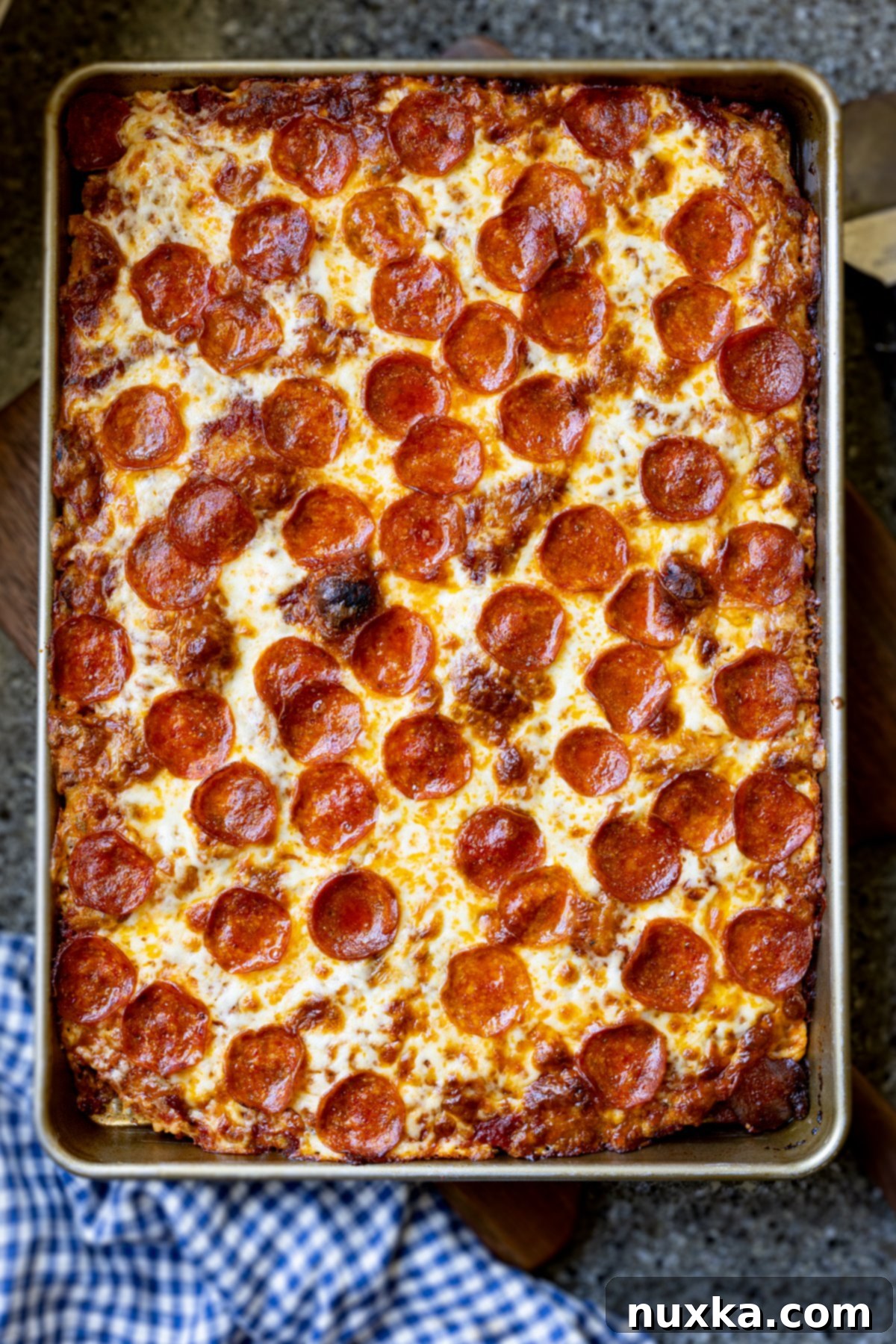
Crafting this homemade focaccia pizza is surprisingly quick and incredibly easy. Despite being made with wholesome, freshly milled whole wheat flour, the resulting focaccia bread pizza is so rich in flavor and delightful in texture that it’s genuinely hard to distinguish from a version made with conventional white flour. The depth of flavor from the sourdough fermentation coupled with the nutritional benefits of whole wheat creates a truly superior pizza experience.
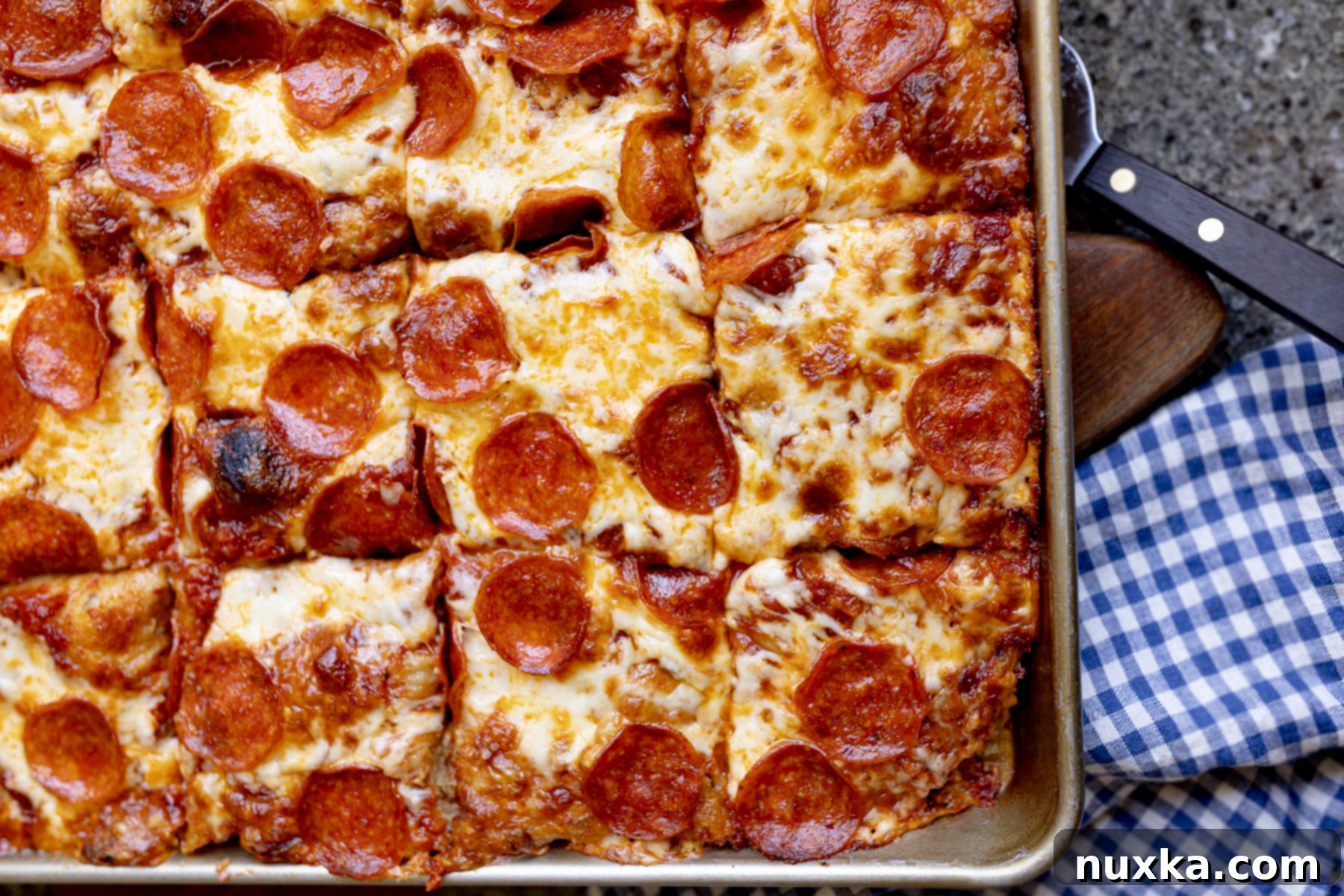
This has truly become my ultimate go-to sourdough pizza dough recipe. There’s simply nothing not to love about this incredible sourdough creation. Its flexible schedule means you can start the dough in the afternoon and have it ready for an evening bake, or prepare it in the evening for a fresh lunch the following day. After just four hours of active fermentation, you have the option to pop it into the refrigerator, making it perfect for a quick, impromptu meal. Not only is it incredibly delicious with its unique tangy flavor and satisfying texture, but the best part is its inherent health benefits. Thanks to the sourdough fermentation and 100% whole wheat flour, this pizza is genuinely gut-healthy, offering a wholesome and satisfying meal for the entire family. Its crowd-pleasing taste ensures that everyone, especially the kids, will be asking for more!
And if you really think about it, this is essentially a **no-knead pizza dough recipe** that requires minimal hands-on effort. The magic lies in the slow fermentation process, which naturally develops the gluten structure in the grains. By simply allowing the flour adequate time to hydrate and the natural yeasts to work their wonders, the dough transforms into a soft, elastic, and perfectly extensible base for your pizza. You can confidently leave it to do its thing while you tackle other tasks around the house. It’s truly incredible how such a delicious and healthy result can come from such a forgiving and low-maintenance process!
Forget about needing a stand mixer, a specialized pizza stone, or any other fancy kitchen equipment. This recipe is designed for simplicity and accessibility, proving that gourmet, wholesome pizza is within everyone’s reach using just basic kitchen tools and a sheet pan.

Not only does this pizza look incredibly appealing, as if it just emerged from a high-end pizzeria, but its irresistible taste consistently leads to requests for the recipe! If you’re searching for an effortless sheet-pan pizza that can easily feed a large gathering, then your search ends here. This recipe is designed for maximum flavor and minimal fuss, making it perfect for entertaining or a busy family dinner.
To achieve this culinary masterpiece, simply grab a sturdy sheet pan, generously coat it with high-quality olive oil, and layer your risen dough. Top it generously with a rich, chunky tomato sauce and an abundance of your favorite melty cheese. Then, watch in anticipation as this incredible creation rises high in your oven, transforming into a golden-brown wonder. The result is a melty, gooey, and deeply satisfying pizza that is so tantalizingly tasty, you’ll undoubtedly be reaching for a second, or even third, slice!

Understanding Pizza and Focaccia: A Match Made in Heaven
The beauty of focaccia-style pizza lies in its dough’s higher hydration level compared to typical, thinner pizza doughs. This characteristic is precisely what gives focaccia its signature bread-like texture and why it’s so well-suited for baking. But don’t let the term “focaccia bread pizza” intimidate you – you absolutely do not need to be an experienced baker to master this recipe! It truly is the easiest way to make a mouth-watering Italian sheet pan pizza right in your own kitchen.
Many traditional Italian pizzerias actually embrace focaccia as their preferred pizza dough base, especially when crafting delectable deep-dish style pizzas. The naturally fluffy and airy nature of focaccia dough provides the perfect foundation, allowing for generous amounts of rich tomato sauce and an abundance of delicious toppings without becoming soggy or heavy. For an authentic round pizza shape reminiscent of classic deep-dish, consider baking it in a round cast-iron pan. Alternatively, if you prefer a slightly thinner crust that’s still wonderfully fluffy, simply use a larger sheet pan to spread the dough further. While it won’t be as dramatically high, it will retain all the delightful chewiness and flavor that makes this sourdough focaccia pizza so special.

My Sourdough Focaccia Pizza Schedule: Designed for Busy Lives
My life is wonderfully chaotic: I’m a mom of six, a full-time blogger, and we’re a homeschooling family that enjoys three home-cooked meals a day. This means that my recipes, especially for staples like pizza, absolutely *have* to be easy and fit seamlessly into a busy schedule. While it’s true that natural yeast, like sourdough, takes a bit longer than commercial yeast, the critical distinction is that this “longer time” primarily means extended periods of passive waiting. It requires very little active effort from me. The dough magically transforms into a soft, stretchy, and pliable masterpiece with just a few initial stretches and folds, then mostly sits and bulk rises, allowing the sourdough to do its diligent work. This process is surprisingly hands-off, letting me focus on other homemaking tasks while the pizza dough practically makes itself.
Here’s a typical timeline that works perfectly for me:
- Morning Activation (e.g., 8:00 AM): I usually retrieve my sourdough starter from the fridge in the morning, feed it with fresh flour and water, and place it by a warm, sunny window or on top of the dishwasher. This encourages it to activate and become bubbly by midday. An active starter is crucial for good rise and flavor.
- Midday Dough Mixing & Autolyze (e.g., 12:00 PM): Once my starter is robust and full of bubbles, indicating it’s ready, I’ll mix the core focaccia dough ingredients (starter, freshly milled flour, and water). I then let these grains hydrate through a process called “autolyze” for about 30 minutes. This step allows the flour to fully absorb the water, developing gluten naturally before the salt is added.
- Salt Incorporation & Initial Development (e.g., 12:30 PM – 2:30 PM): After the autolyze, I add the salt. Adding it later prevents it from interfering with the initial hydration of the flour. I mix it in well, let the dough rest, and then perform a series of 3-4 gentle stretch and folds, roughly every 30 minutes. These brief interactions help build dough strength and elasticity. Often, I might lose track of the exact timing, but this dough is incredibly forgiving and still turns out beautifully.
- Bulk Fermentation (e.g., 2:30 PM – 5:30 PM): Next, I let the dough undergo its “bulk ferment” for 2-3 hours. If my kitchen is warm, this process can be quicker. During this time, the dough significantly increases in volume, becoming smooth and elastic.
- Pan Prep & Final Rise (e.g., 5:30 PM – 7:30 PM): If I plan to bake the pizza the same day, I’ll generously grease my pizza pan or sheet pan with oil and gently transfer the dough onto it. I let it rest in the pan for 1-2 hours, allowing it to relax and become easier to stretch. Then, I gently dimple the dough with my fingers, creating those classic focaccia indentations.
- Cold Fermentation Option: If I’m not ready to bake, or if I want to enhance the probiotic benefits and flavor through a “cold ferment,” I’ll refrigerate the dough in its mixing bowl (covered) or in a greased bag. This allows for even deeper flavor development and a more digestible crust.
- Top and Bake (e.g., 7:30 PM): Finally, I top the pizza with my chosen sauce and toppings and bake it to golden perfection.
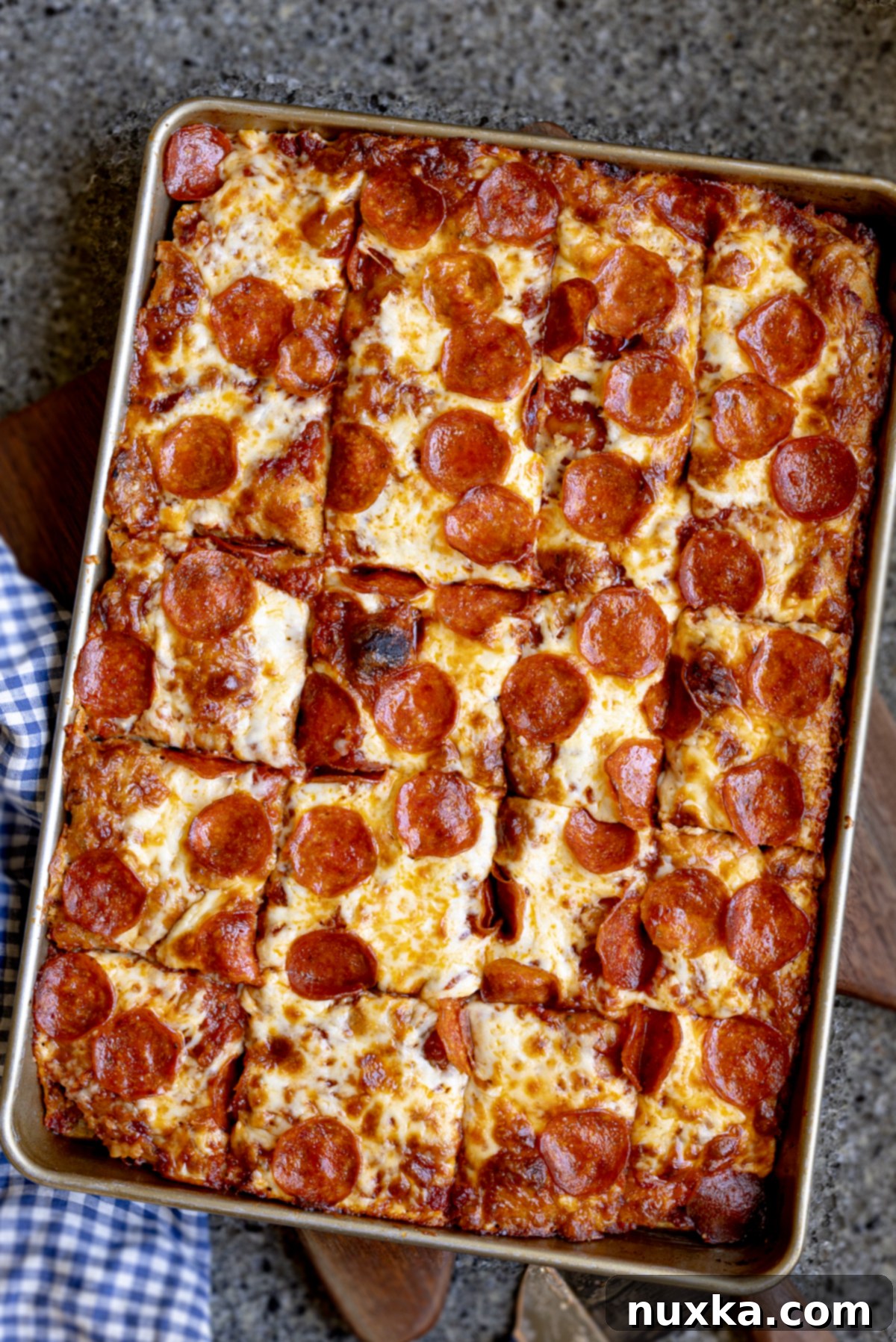
Essential Ingredients for Your Sourdough Focaccia Pizza:
The magic of this whole wheat sourdough focaccia pizza comes from a few key, high-quality ingredients:
- Active Sourdough Starter: This is the heart of your dough! Ensure your starter is “active” – meaning it has been fed 4-6 hours prior to mixing, is bubbly, and has doubled (or nearly doubled) in size. A vigorous starter provides the lift, flavor, and digestibility crucial for sourdough baking. If your starter isn’t active, your dough won’t rise properly.
- Hard White Wheat Grain: To truly maximize the nutritional benefits and achieve unparalleled flavor, I highly recommend using an electric grain mill to make freshly milled flour from hard white wheat berries. Hard white wheat is ideal for pizza dough as it has a high protein content, which translates to a strong gluten structure needed for that delightful chewiness and rise, without the overly “wheaty” taste sometimes associated with red wheat. Freshly milled flour also retains all its vital nutrients and enzymes, contributing to a more wholesome and flavorful pizza.
- Salt: Salt is essential for flavor and also plays a crucial role in regulating fermentation and strengthening the gluten network. To prevent it from potentially inhibiting your sourdough starter’s initial activity, it’s vital to add the salt *after* the initial hydration (autolyze) period, allowing the flour and starter to begin their interaction undisturbed.
- Chunky Tomato Sauce: While any store-bought tomato sauce will work in a pinch, I find that a homemade chunky pizza sauce truly elevates this dish. My preferred recipe infuses authentic Sicilian flavors with a delightful kick, far surpassing the taste of pre-made options. The chunky texture also complements the thick focaccia crust beautifully.
- Pizza Toppings: Our family’s go-to combination is classic mozzarella cheese and savory pepperoni. However, this focaccia dough is incredibly versatile! Feel free to customize it to your heart’s content. Go for a simple yet satisfying plain cheese, load it up with all your favorite “supreme” toppings, or make it a vibrant veggie pizza with bell peppers, onions, mushrooms, olives, and fresh herbs. The possibilities are endless!
Step-by-Step: How To Make Your Best Sourdough Focaccia Pizza
This fantastic focaccia pizza dough recipe is designed to create a hearty sheet-pan pizza that’s traditionally cut into squares, perfect for sharing. For convenient storage and to keep your dough from drying out during fermentation, I highly recommend using a glass Pyrex bowl with a lid. Remember, you absolutely do not need a pizza stone or any other fancy equipment to achieve this delicious result. The secret to a truly crispy crust on your focaccia pizza is a generous amount of oil during the baking process, ensuring a golden, crunchy bottom.
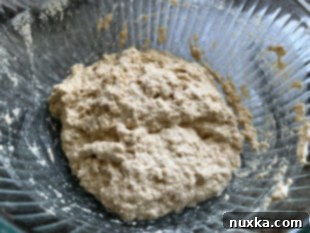
- Initial Mix & Autolyze: In a medium mixing bowl, combine your active sourdough starter, warm water, and freshly milled hard white wheat flour. The mixture will appear quite wet and shaggy at this stage, but don’t worry – it will hydrate and strengthen beautifully after the autolyze. Cover the bowl and let it rest undisturbed for 30 minutes. This crucial step allows the flour to fully absorb the water and begin gluten development.
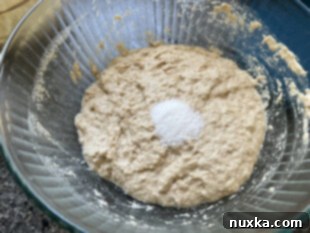
- Add Salt & Rest: After the autolyze, sprinkle the salt evenly over the dough. Using your hands, mix the salt in thoroughly until it’s fully incorporated. Cover the bowl again and let the dough rest for another 30 minutes. This rest period allows the salt to dissolve and begin its work in the dough structure.
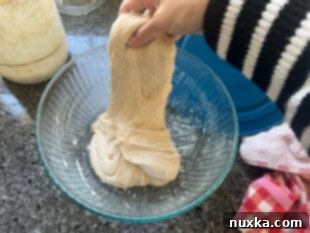
- Perform Stretch and Folds: For the first stretch and fold, gently pull up one side of the dough from the edge of the bowl and fold it towards the center. Rotate the bowl and repeat this action three more times, effectively folding all four sides into the middle. Cover the dough and let it rest for about 30 minutes. Repeat this entire stretch-and-fold process three more times (for a total of four sets of stretch and folds), with 30-minute rests in between each set. These short, gentle movements significantly build the dough’s strength and elasticity without traditional kneading.
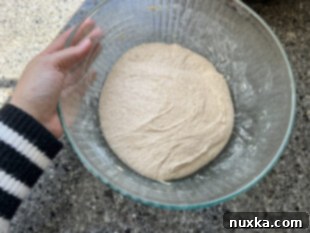
- Bulk Fermentation: Once your stretch and folds are complete, allow the dough to undergo its bulk fermentation. This means letting it rise, covered, for 2-3 hours at room temperature. If your kitchen is particularly warm, this process might be quicker, so watch the dough closely. It should noticeably increase in volume, feel light, and exhibit a smooth, elastic texture when gently touched. If you’re planning to bake on a later day or want to develop more complex flavors, you can refrigerate the dough at this stage.
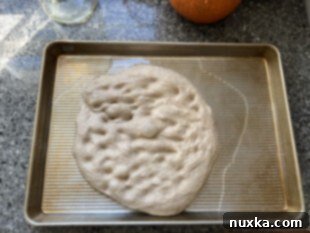
- Prepare for Baking & Dimple: If you’re baking the same day, generously grease an 18×13 inch sheet pan with approximately 1/2 cup of olive oil. Gently transfer the fermented dough onto the oiled pan. Allow the dough to rest in the pan for 30 minutes to an hour, which will help it relax and stretch more easily. Then, gently use your fingertips to dimple the dough all over, creating small depressions that will hold the olive oil and toppings. Let it rise in the pan for another 1-2 hours for a final proof.
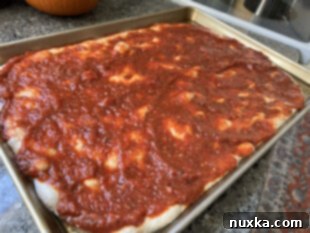
- Add Toppings: Now for the fun part! Spread a generous 2 cups of your chunky tomato sauce evenly over the dimpled dough, ensuring it reaches almost to the edges. Follow with your chosen pizza toppings – typically 14 oz of shredded mozzarella cheese and 4 oz of pepperoni slices, or any other combination you desire.
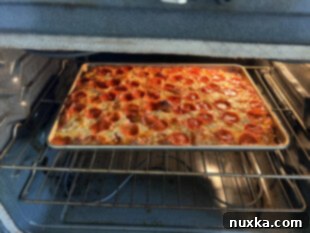
- Bake to Perfection: Preheat your oven to 400°F (200°C). Carefully place the sheet pan in the preheated oven and bake for approximately 25-30 minutes, or until the cheese is beautifully melted and lightly browned, and the bottom of the crust is golden and crispy.
- Serve: Once out of the oven, allow the pizza to cool for a few minutes before cutting it into generous squares. Serve immediately and enjoy your homemade sourdough focaccia pizza!
Shaping Simplified: There’s no complex technique required for shaping this focaccia pizza dough. The most important step is ensuring that a generous layer of oil completely covers the bottom of your baking pan. Gently ease and stretch the dough out to fill the pan. If the dough resists and springs back too much, simply let it rest for another 10-15 minutes to relax the gluten, then try stretching it again. The ultimate goal is to get the dough to extend as far to the edges of the pan as possible, creating that uniform, thick crust.
Storing Leftovers:
Any delicious leftover slices of this whole wheat focaccia pizza can be stored in an airtight container or a sealed plastic bag in the refrigerator for up to 3-5 days. The flavors actually meld and deepen slightly, making for fantastic next-day meals. For the absolute best reheating experience, place the slices on a foil-lined baking sheet and warm them in an oven at 350°F (175°C) for 7-8 minutes. Alternatively, you can pan-fry them in a non-stick skillet on both sides until heated through and crispy, mimicking that fresh-baked texture.
Expert Tips for Your Best Sourdough Focaccia Pizza:
- Avoid Over-Fermentation: While sourdough loves time, there’s a limit. Over-fermented dough can become too sticky and wet, making it difficult to handle, and resulting in a less fluffy and dense crust. I generally aim for a total of approximately 8 hours from when I first mix the dough to when it goes into the oven, including all rest periods and the bulk ferment. Adjust based on your kitchen temperature.
- Prepare in Advance: This dough is incredibly flexible! You can easily make the dough several days in advance and keep it in the fridge until you’re ready to bake. The cold fermentation will also contribute to a deeper, more complex sourdough flavor and enhance digestibility. You can even freeze the dough for longer-term storage; just thaw it in the fridge overnight before using.
- Oven Baking is Best: This recipe thrives in a standard oven. Due to its sticky, high-hydration nature, a pizza oven or grill is not ideal as the dough might be difficult to transfer and manage. Baking it in a sturdy pizza pan or sheet pan is an absolute must to achieve the desired thick, chewy, and crispy crust.
- Embrace the Oil: Don’t be shy with the olive oil! Using a generous amount in the pan is the secret weapon for developing that wonderfully crispy bottom crust and a deliciously chewy texture throughout each slice of your sourdough focaccia pizza. It prevents sticking and adds incredible flavor.
- Be Patient with Shaping: If your dough is tearing or retracting quickly when you try to stretch it, it simply means the gluten needs to relax. Give it a short rest (10-15 minutes), covered, and then try stretching it out again. Patience here will result in a perfectly even crust.
- Consistent Stretch and Folds: Performing at least four sets of stretch and folds before the main bulk fermentation is crucial. These brief, gentle movements are what build the necessary gluten structure for a smooth, elastic, and well-risen dough, contributing to the focaccia’s characteristic open crumb.
- Follow the Timing Rule: A good rule of thumb is to let the dough sit out at room temperature for about 4 hours after mixing before transferring it to the fridge for a cold ferment, or around 7 hours before baking it the same day. This ensures adequate fermentation without overdoing it.
- Homemade Sauce Makes a Difference: While store-bought works, taking the extra step to make the homemade chunky tomato sauce for this pizza truly elevates it to an authentic Chicago-style or Sicilian experience. The fresh, bold flavors are simply unmatched.
- Get Creative with Cheese & Toppings: Don’t limit yourself to just mozzarella and pepperoni! Experiment with various cheeses like creamy Havarti, tangy Provolone, or mild Monterey Jack for different flavor profiles. Dress up your focaccia with any toppings you desire – roasted vegetables, sausage, bacon, fresh basil, or a drizzle of balsamic glaze after baking.
- Sauce to the Edges: To prevent dry or tough edges and to ensure maximum flavor in every bite, spread your tomato sauce and toppings almost to the very edges of the dough. This also helps create a beautifully crispy perimeter.
- Measure by Weight: For consistent results in sourdough baking, using a kitchen scale to measure your ingredients (especially flour and water) by weight is highly recommended over volume measurements. This eliminates inconsistencies that can impact dough hydration and texture.
- Water Temperature: Use warm (not hot!) water when activating your starter and mixing your dough. Around 80-90°F (27-32°C) is ideal, as it encourages yeast activity without killing it.
- Listen to Your Dough: More than exact timings, learn to read your dough. It should look bubbly, feel light and airy, and be responsive. Your kitchen environment (temperature, humidity) will affect fermentation times.
More Sourdough Recipes To Make with Freshly Milled Flour:
Excited to explore more wholesome baking? You can easily swap out commercial yeast in many recipes by using 1/2 cup of active sourdough starter. While you might need to slightly adjust the water content in some instances, I’ve found that whole wheat dough often benefits from being more hydrated. Dive into these other delicious sourdough recipes with freshly milled flour!
-
Whole Wheat Sourdough Sandwich Bread with Freshly Milled Flour
-
Whole Wheat Sourdough Bagels with Freshly Milled Flour
-
Cheddar Cheese and Sausage Whole Wheat Pizza
Rate
Pin
Sourdough Focaccia Pizza with Freshly Milled Flour
Equipment
-
1 mixing bowl with cover
-
1 18×13″ sheet pan
Ingredients
Ingredients:
-
116 grams active sourdough starter
-
360 grams warm water
-
400 grams hard white wheat berries (freshly milled in a grain mill)
-
12 grams salt
Chunky Tomato Sauce:
-
2 Tbsp olive oil
-
4-5 cloves garlic
-
2 oz tomato paste
-
28 oz crushed tomatoes
-
1/2 tsp red pepper flakes
-
2 1/2 tsp dried oregano
-
2 1/2 Tbsp granulated sugar
-
1 1/2 tsp salt
-
1/4 tsp black pepper
-
1/2 tsp chili powder
-
1/2 tsp paprika
-
2 dashes cayenne pepper
Toppings:
-
14 oz mozzarella cheese (shredded)
-
4 oz pepperoni slices
Instructions
Directions:
-
 Combine the active starter, water, and freshly milled flour in a medium mixing bowl. Cover and let it sit for 30 minutes.
 -
Add the salt and mix it well with your hands. Cover the dough and let it rest for another 30 minutes.
-
Do four stretch-and-folds every 30 minutes.
-
Allow the dough to rest for 2-3 hours to bulk ferment, or refrigerate it if you are baking it for another day.
-
Grease an 18×13 sheet pan with 1/2 cup of oil. Place the dough on the pan and allow it to rest for 30 minutes. Then, stretch out and dimple the dough. Allow it to rise for up to 1-2 hours.
-
Meanwhile, make the tomato sauce. Top the crust with 2 cups of sauce, 14 oz of cheese, and 4 oz of pepperoni.
-
Bake in a preheated 400°F for 25-30 minutes. Cut into squares and serve.
Notes
- If you don’t have crushed tomatoes, you can puree or pulse a 28-ounce can of diced tomatoes.
Nutrition per serving